A Legal Bedroom and a Legal Apartment Are Two Different Things
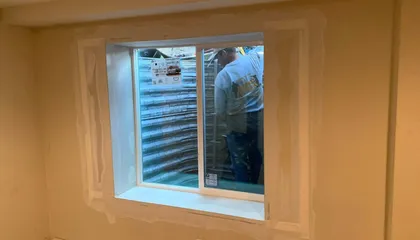
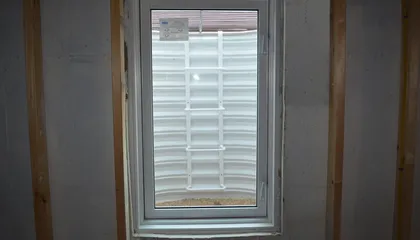
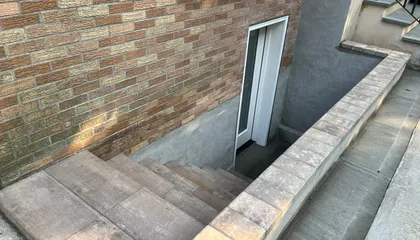
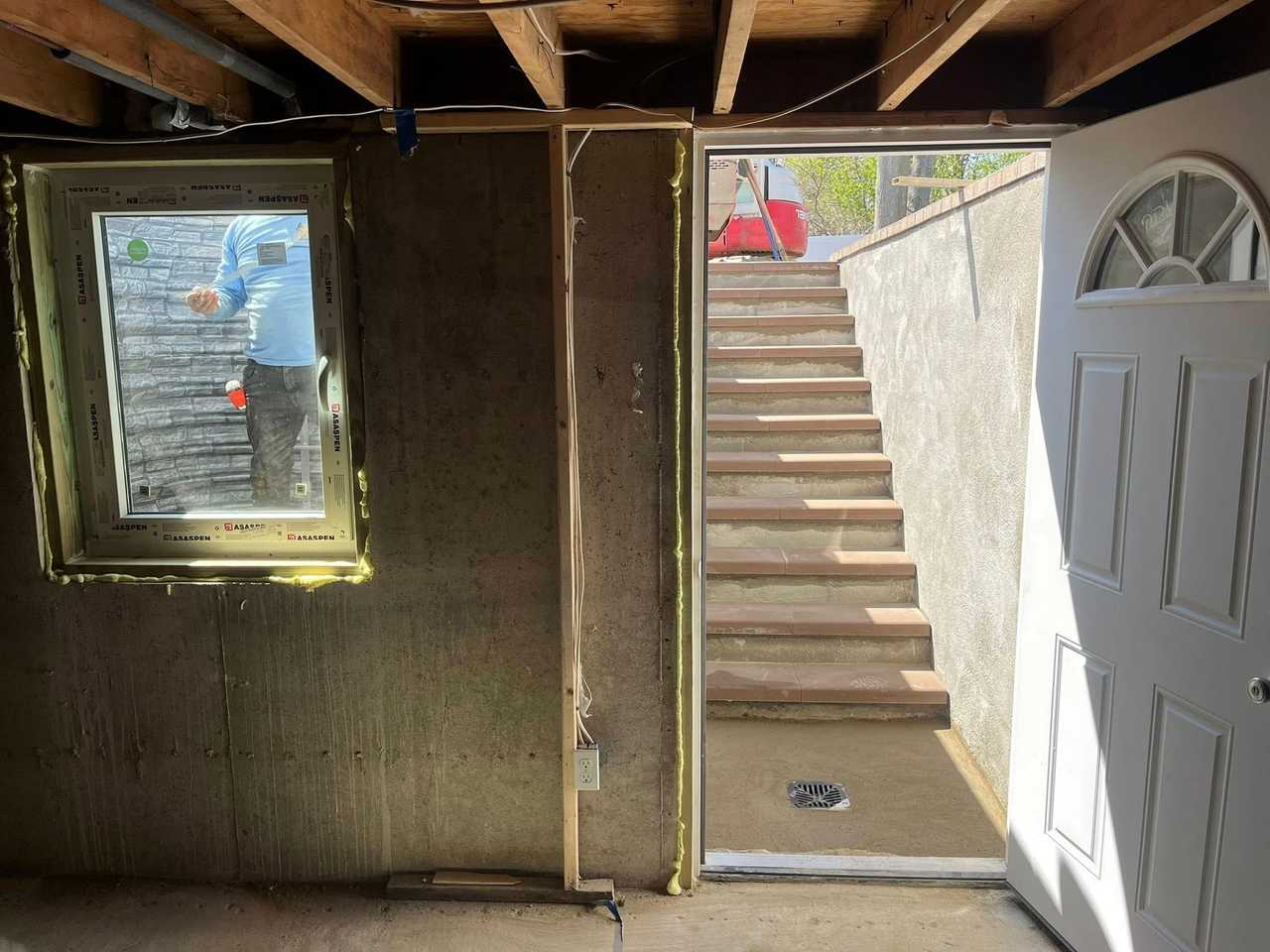
A basement bedroom is part of your house. To be legal it needs a code-size emergency escape opening, either an egress window or a door to the outside, plus a building permit and a passed inspection. That side is the state building code, which every Long Island town and village enforces. The NY egress window requirements page has the sizes.
A basement apartment is a second home inside yours, usually with its own kitchen and often its own entrance. That makes it a zoning question. Your town or village decides whether a second unit can exist on your lot at all, who can live in it, and what permits it needs. Each sleeping room in the apartment still needs its own egress opening, so the building code applies on top of the zoning rules, not instead of them.
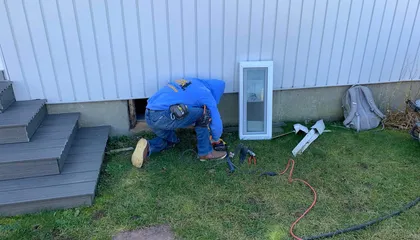
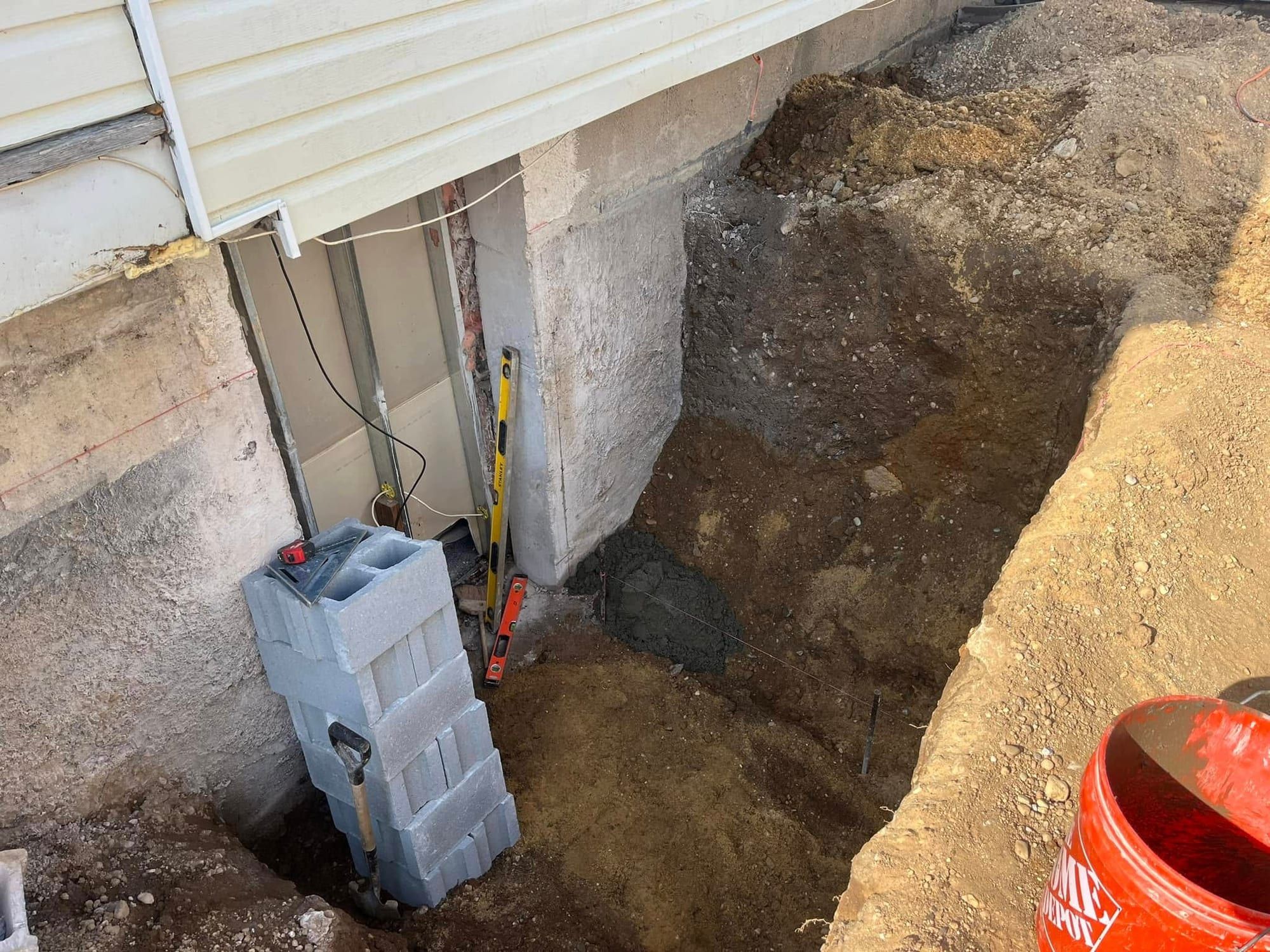
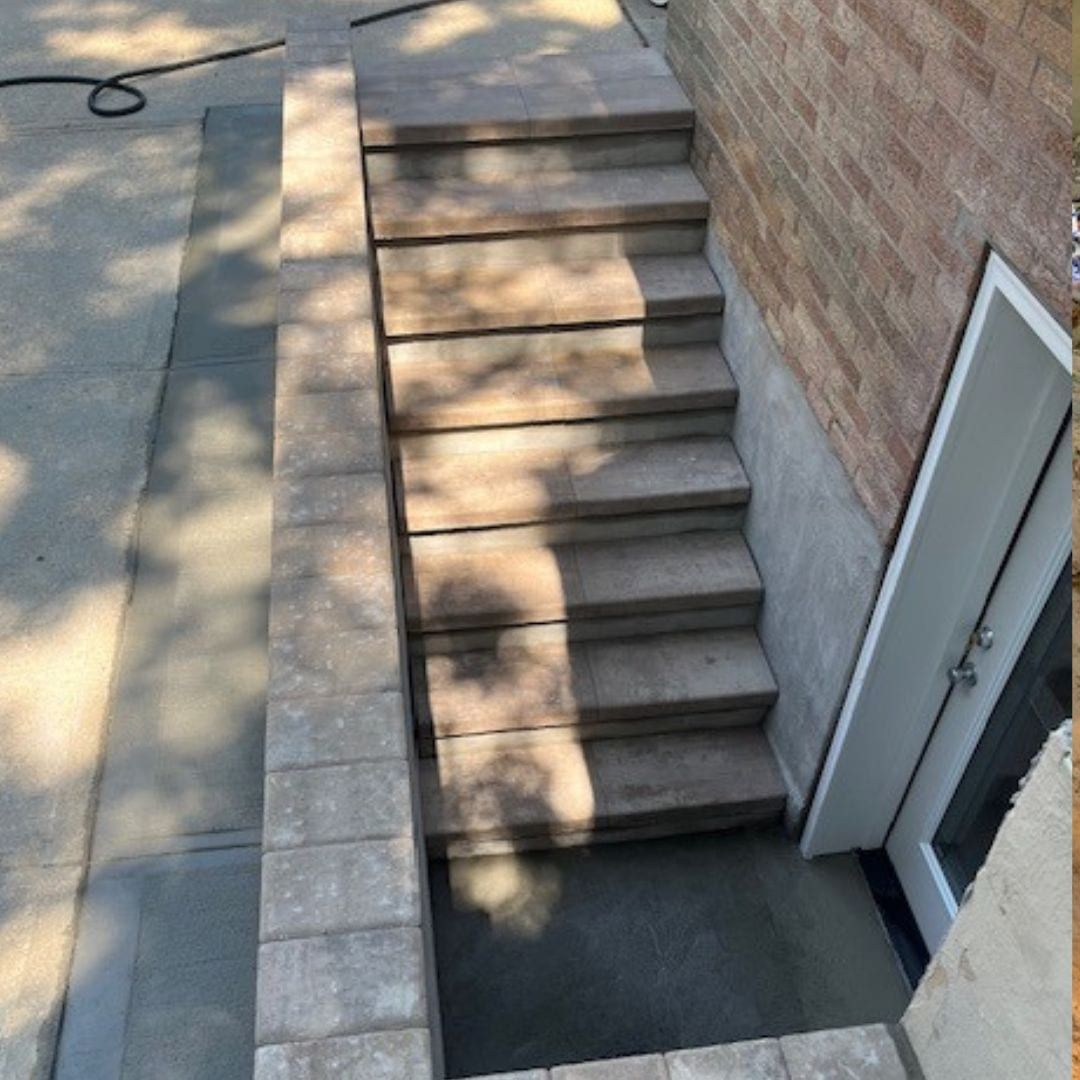
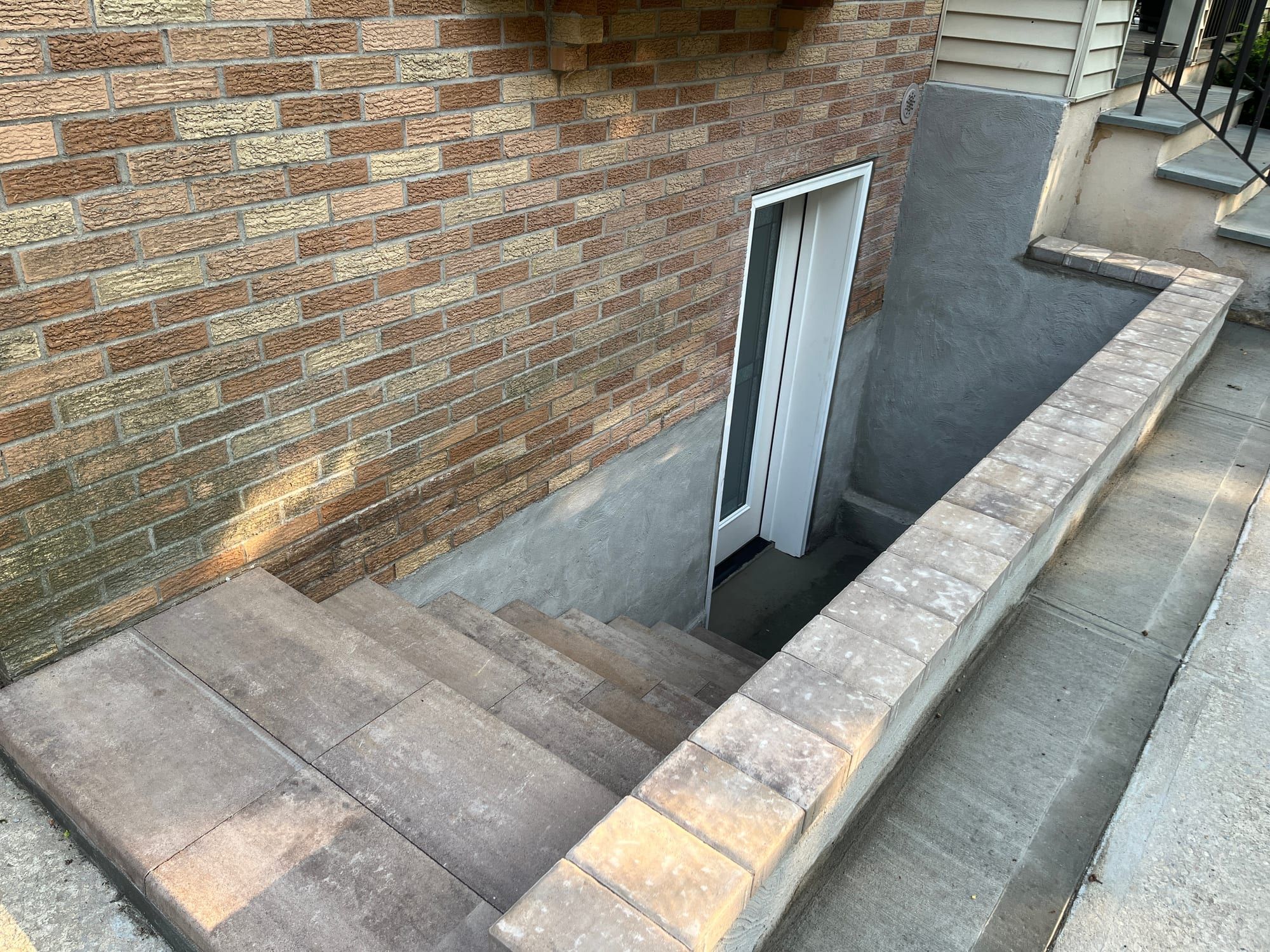
We install the egress windows and basement entrances that a legal bedroom or apartment needs. The zoning approval for a second unit is a separate process with your municipality.
Can You Legally Rent a Basement in NY?
Sometimes, and the answer comes from your town, not Albany. New York’s Uniform Code applies everywhere in the state except New York City, and local governments can adopt stricter standards on top of it, according to the NYS Department of State. Zoning, including whether an accessory apartment is allowed, is set locally.
On Long Island that means one of three kinds of government: a town, a city (Glen Cove and Long Beach in Nassau), or an incorporated village. Villages run their own building departments and their own zoning. A house in the Village of Westhampton Beach follows the village’s accessory apartment law, which allows units only in its R-2 and R-4 districts, not the Town of Southampton’s.
Renting usually takes a permit of its own. The Town of Hempstead requires a rental occupancy permit, issued after an on-site inspection. Southampton requires a Chapter 270 rental permit before an accessory apartment is occupied. East Hampton wants an annual rental permit from its Housing office even when the tenant is family.
What Is a Mother Daughter House on Long Island?
In everyday talk, it’s a one-family house with a second kitchen and living space where a parent, adult child or other relative lives. In Nassau’s town codes it’s a specific legal use, and it’s the main way a second unit becomes legal there.
- Town of Hempstead: a mother-daughter residence is a one-family house with a second kitchen for the sole use of the owner’s children or parents. It goes to the Board of Architectural Review, then a Board of Zoning Appeals hearing. The Town also has a senior residence option where the owner is 62 or older.
- Town of North Hempstead: a mother-daughter residence is a conditional use from the Board of Zoning Appeals, renewed every two years. The owner records a covenant to remove the second kitchen within 90 days after the family use ends.
- Town of Oyster Bay: the same idea is called a parent-child residence, allowed by special use permit when the owner lives in one of the units.
A house listing that says “mother daughter” isn’t proof that the second unit is legal. Ask the seller for the permit or the zoning approval, and check it with the building department. Our Hempstead, North Hempstead and Oyster Bay pages have the details.
What the Town Codes Say
News 12’s August 2026 rundown sorted towns into allowed and not allowed. The town codes are more detailed than that. Several towns News 12 listed as not allowing basement apartments do issue accessory apartment permits, and most towns that allow them attach conditions. The town picker above follows the town codes where we checked them, and says so where we haven’t.
Glen Cove and Long Beach aren’t in the table because we haven’t confirmed either city’s current rule. A 2017 regional report listed both as not permitting accessory apartments.
Town of Babylon. Owner-occupied accessory apartments are permitted through a review board, but the rental unit can’t be in a cellar, meaning a space more than half below grade.
East End towns. None of the East End code text summarized here says whether the unit can be in a basement, so ask. The egress windows on the East End page compares all five towns.
Septic and flood zones. In Suffolk, an accessory apartment can need a separate Suffolk County Department of Health Services application. In Long Beach, the city says virtually all of the city is in a FEMA Special Flood Hazard Area and asks owners to contact the building department before starting any work.
| Town | Second unit allowed? | Basement rule in the code we read | Last change we found |
|---|---|---|---|
| Hempstead | Mother-daughter or senior residence only | None found | Not stated |
| North Hempstead | Mother-daughter residence only | None found | Not stated |
| Oyster Bay | Parent-child residence, or an accessory apartment in the RO district | Yes: no basement or cellar living space in RNG and RSC | Not stated |
| Babylon | Owner-occupied accessory apartment | Yes: no rental unit in a cellar | Not stated |
| Huntington | Owner-occupied accessory dwelling unit | Yes: no new unit in a basement or cellar | July 16, 2019 |
| Islip | Owner-occupied accessory apartment | None found | Not stated |
| Smithtown | Living quarters for an immediate family member | Below-grade ban repealed | October 2, 2012 |
| Brookhaven | Owner-occupied accessory apartment | None found | September 2024 |
| Southampton | Accessory apartment, owner on site, year-round tenant | None found | Not stated (units permitted after January 1, 2019 carry rent and income limits) |
| East Hampton | Affordable accessory dwelling unit | None found | Amended May 2026 |
| Riverhead | Accessory dwelling unit, owner on site | None found | New rules March 17, 2026 |
| Southold | Accessory apartment with zoning board review | None found | May 2025, with a 2026 amendment |
| Shelter Island | Accessory apartment, owner on site | None found | Not stated |
| Westhampton Beach (village) | Accessory apartment in R-2 and R-4 only | None found | Not stated |
How Can I Make My Basement Legal to Rent?
Work through it in this order. Each step can stop the project, so the cheap questions come first.
- Zoning. Ask your building department whether your lot allows an accessory apartment or a mother-daughter unit, and whether the owner has to live there.
- Basement or not. Ask whether the unit can be in the basement, and whether the code treats a cellar differently from a basement.
- Tenant rules. Find out whether the tenant has to be family, a local resident or year-round, and how long the lease must run.
- County review. On septic in Suffolk, plan for a Suffolk County Department of Health Services application. In Oyster Bay, a parent-child unit on a cesspool needs Nassau County Department of Health approval.
- Building permit and egress. Every sleeping room gets its own escape opening, and the entrance may have rules of its own. East Hampton wants an ADU entrance on the side or rear.
- Rental permit. Apply once the work passes inspection, and check whether the town caps how many permits it issues.
If the answer is that an apartment isn’t allowed, a legal basement bedroom for your own household may still be possible with an egress opening and a building permit. Some districts restrict even that, as Oyster Bay’s RNG and RSC districts do. Our basement bedroom egress requirements covers that route, and the egress window permit guide explains the inspection.
Town rules change. Every rule on this page comes from a source listed below, and your building department has the final say. If you’d like a second set of eyes on the egress side, call us at (516) 390-8891 or get a price range for your basement.
Are basement apartments legal on Long Island?
In some towns, under conditions. Hempstead and North Hempstead allow a second unit mainly for family, while Southampton, East Hampton, Riverhead, Southold and Shelter Island issue accessory apartment permits with owner-occupancy and tenant rules. Oyster Bay bars basement living space in some districts, Babylon bars rental units in cellars, and Huntington bars new basement units. Incorporated villages and cities set their own rules.
What's the difference between a legal basement bedroom and a basement apartment?
A bedroom is part of your own home. It needs a code-size egress opening under R319 and a building permit, along with the rest of the code for habitable rooms. An apartment is a second dwelling unit, usually with its own kitchen, which makes it a zoning question. It needs your town's or village's approval for the unit on top of everything the building code asks for.
Does a basement apartment need an egress window?
Yes. Under section R319 of the 2025 Residential Code of New York State, every basement sleeping room needs its own emergency escape and rescue opening, whether the room is in your part of the house or in an apartment. That opening can be an egress window into a well or a door straight to the outside, such as a walkout entrance.
What is a mother daughter house on Long Island?
It's a one-family house with a second kitchen and living space for family. The Town of Hempstead allows a mother-daughter residence for the owner's children or parents, North Hempstead allows one through its zoning board with renewal every two years, and Oyster Bay calls it a parent-child residence, allowed by special use permit. None of them is an open-market rental.
Who do I call about my town's rules?
Your town, city or incorporated village building department. If you live in an incorporated village, such as Freeport, Garden City or Westhampton Beach, the village handles permits and zoning, not the town around it. Each of our town pages lists the department's name and phone number, and the picker at the top of this page shows the same.
Can I rent out a basement room on Long Island?
Usually only with a separate rental permit on top of the building permit. The Town of Hempstead, for example, requires a rental occupancy permit with an on-site inspection before anyone moves in, and Southampton requires a Chapter 270 rental permit for an accessory apartment. Ask your town whether a single rented room counts as a second unit there.
- News 12 Long Island, "Think the basement apartment is legal on LI? It depends on your town," August 2026
- NYS Department of State, Uniform Fire Prevention and Building Code
- Town of Hempstead Building Zone Ordinance, definitions (ecode360)
- Town of Hempstead, Mother-Daughter Use
- Town of Hempstead Code Chapter 99, rental occupancy permits (ecode360)
- Town of North Hempstead, Residential Application Package
- Town of North Hempstead Code, Ch. 70 conditional uses (ecode360)
- Town of Oyster Bay Code Chapter 246, residence districts (ecode360)
- Town of Babylon Code, accessory apartments (ecode360)
- Town of Huntington Code, Chapter 198, Article XX, accessory dwelling units (ecode360)
- Town of Islip Code, Chapter 68, Article XLVII, accessory apartments (ecode360)
- Town of Smithtown, special exception standards (Town PDF)
- Town of Brookhaven Code, Chapter 85, Article XIV, accessory apartments (ecode360)
- Town of Southampton Code Chapter 330 Article IIA, accessory apartments (ecode360)
- Town of East Hampton, accessory dwelling units
- RiverheadLOCAL, Town Board March 17, 2026 meeting wrap-up
- Suffolk Times, ADU changes greenlit by Southold Town Board, May 2025
- Suffolk Times, Southold allows detached accessory apartments, April 2026
- Town of Shelter Island Code section 133-17 (ecode360)
- Village of Westhampton Beach Code Chapter 197 Article XI (ecode360)
- Accessory dwelling units on Long Island, St. Joseph's College and Home Remedies report, 2017
- Suffolk County Department of Health Services, residential wastewater permits
- City of Long Beach, flood bulletin 2025
Last reviewed October 19, 2026.